Miami Beach Approves a $3 Million GTA 6 Ad Campaign, and the Row Behind the 4-3 Vote
On 10 September 2026, Miami Beach commissioners voted 4-3 to let Rockstar advertise GTA 6 on beach chairs and umbrellas for about $3 million. Here is what was approved, what was refused, and why it split the council.
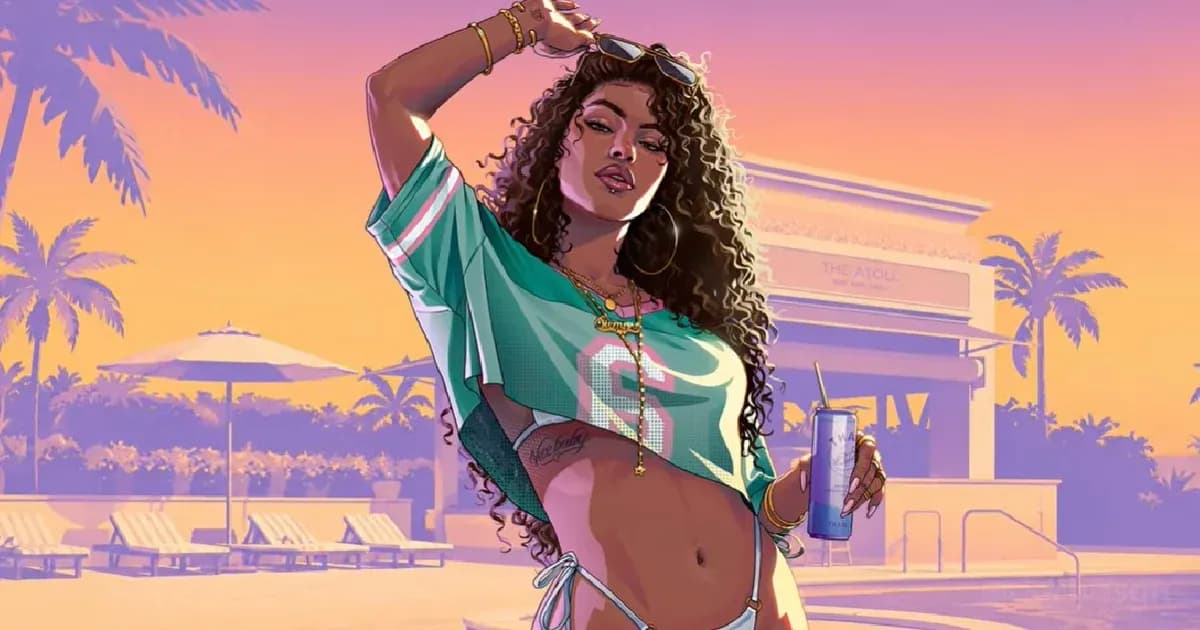
In September 2026, GTA 6 marketing left the screen and landed on the sand. Miami Beach commissioners voted 4-3 to approve a paid promotional campaign for Rockstar Games' next release, in a city that plays a very obvious real-life stand-in for Vice City. The deal is worth roughly $3 million according to press coverage, and it came with a public argument that reached all the way back to the Hot Coffee scandal of 2004.
This article sticks to what was reported about the vote. As always with GTA 6, anything about the game itself is based on the official trailers and Rockstar's own statements, and nothing here is confirmed beyond that.
What the commission actually approved
On 10 September 2026, the Miami Beach City Commission held a meeting and approved, by a 4-3 margin, a marketing arrangement tied to GTA 6. Reporting from several outlets puts the payment from Rockstar at around $3 million, with some coverage suggesting it could approach $4 million once all elements are counted.
The campaign is designed to be discreet rather than plastered across the city:
- Ads appear on beach chairs and umbrellas supplied by the local beach equipment operator Boucher Brothers.
- The branding uses the Roman numeral "VI" logo rather than the full "Grand Theft Auto VI" title.
- The run starts on 15 October 2026 and continues through the end of the year, which puts it right in front of the holiday shopping season and the game's launch window.
- Rockstar is not allowed to advertise on city-owned property, and the campaign has to steer clear of Art Basel Miami Beach, the major art fair held in early December.
In other words, the city sold access to a very specific slice of its beaches, and kept its civic buildings and its flagship cultural event clear of the brand.
Why Miami Beach and why now
The connection is not subtle. Vice City has been the series' Miami stand-in since the 1980s-set game of 2002, and the GTA 6 trailers lean hard on the same sun, neon and coastline aesthetic in a fictional Florida-inspired state called Leonida. You can read more on what the trailers actually show in our breakdown of the first trailer and our list of activities confirmed in the trailers.
With the game scheduled for 19 November 2026, a real-world beach campaign in the closest real city to its fictional setting is an obvious marketing move. Rockstar has been famously sparing with promotion for this game, so a paid, physical, tightly controlled placement fits its habit of choosing a few big moments rather than saturating every channel.
The argument against: Commissioner Suarez
The dissent was loud. Commissioner David Suarez opposed the deal and argued that it contradicted the image Miami Beach has spent years and real money trying to build. As quoted in coverage, he said: "You can't spend years telling the world that Miami Beach has changed... and then turn around and voluntarily promote the very image we're trying to leave behind."
His reasoning had two layers:
- Content. Suarez described the series as a game in which players steal cars, deal drugs, commit robberies and attack civilians and police officers. He questioned what message the city sends to residents and visitors by taking money to promote it.
- Branding consistency. Miami Beach has spent more than a million dollars over recent years on spring break marketing designed to move the city away from a reputation for chaos and lawlessness. Advertising a crime game on its own sand, he argued, undercuts that work.
He also brought up the Hot Coffee controversy from 2004, when hidden, unfinished content in GTA: San Andreas triggered congressional attention and a ratings reclassification. It is a historical reference, and it says more about how some public officials still read the series than about anything in GTA 6.
The argument for: it is just a video game
Commissioner Monica Matteo-Salinas pushed back. She described herself as a long-time player of the series, and said that playing it does not turn people into criminals. As reported, she framed the game as fiction ("it's fake") and pointed out the benefit to residents who are fans and to the city's finances.
That financial argument is the practical center of the deal. Coverage of the vote describes the payment as a meaningful revenue line for the city, and some reports link the money to public projects such as sports facilities. Treat those specifics carefully: the precise allocation was described differently by different outlets, so we would not lean on any one claim about where every dollar goes.
What "discreet" means in practice
The compromise that got the deal over the line is worth spelling out, because it shows how a modern game publisher negotiates with a city:
- No title, just a numeral. The "VI" mark is recognizable to fans and invisible to most passers-by. That keeps the imagery abstract, which helps with the "family-friendly beach" concern.
- No public property. Keeping ads off city-owned assets gives commissioners a clean line: the brand appears on private vendor equipment, not on government infrastructure.
- No Art Basel. Excluding the art fair week protects the city's highest-profile cultural event from being associated with the campaign.
- A defined window. From 15 October to the end of December, the campaign is time-boxed and easy to audit.
None of this was designed by fans, but it reads like a template. Expect other host cities and partners to watch how it plays out.
What we know, and what we do not
To keep this article honest, here is the split.
Reported by the press:
- The 4-3 vote on 10 September 2026.
- A payment of about $3 million, possibly up to $4 million.
- Ads on beach chairs and umbrellas via Boucher Brothers, using the "VI" logo.
- A run from 15 October through the end of 2026, excluding city property and Art Basel.
- Public opposition from Commissioner Suarez and support from Commissioner Matteo-Salinas.
Not confirmed, and not something we will guess:
- Exact creative designs, slogans or any in-game tie-in.
- Whether similar deals will be signed in other cities.
- Any gameplay detail, since the campaign does not reveal any.
If you follow the business side of the game, our pieces on the GTA 6 development timeline, the Vice City collector's box and how microtransactions may work in GTA Online give more context on how Rockstar and Take-Two are handling the run-up to launch.
Why this matters for fans
For players, the practical takeaway is small but real. A visible physical campaign in Miami Beach means launch is close and the marketing machine is warming up. Rockstar tends to release information in bursts, so a public campaign starting on 15 October is a reasonable signal to expect more official material around then, though nothing has been promised.
For everyone else, the story is a neat case study in how a cultural product and a city with a complicated reputation can end up in the same deal: a 4-3 vote, a nostalgic reference to a 20-year-old controversy, and a compromise made of beach umbrellas.
Bottom line
Miami Beach chose the money and the exposure, with guardrails. The dissent was substantial, and the closeness of the vote shows the city itself is divided on the trade. Whether the campaign is remembered as a clever piece of localized marketing or as an awkward chapter in a city rebrand will depend on how it looks on the sand in October.
We will keep tracking official announcements. Until then, everything about GTA 6 gameplay remains what Rockstar has shown in its official trailers, nothing more.
Comments (0)
No comments yet. Be the first!