Why Rockstar Wiped Duplicated Money From GTA Online in Late 2013
Weeks after GTA Online launched, duplication glitches flooded the game with hundreds of millions of illegitimate GTA$. Here's why Rockstar wiped that money from every account that held it, how the community reacted, and why the decision still shapes how Rockstar handles exploits today.
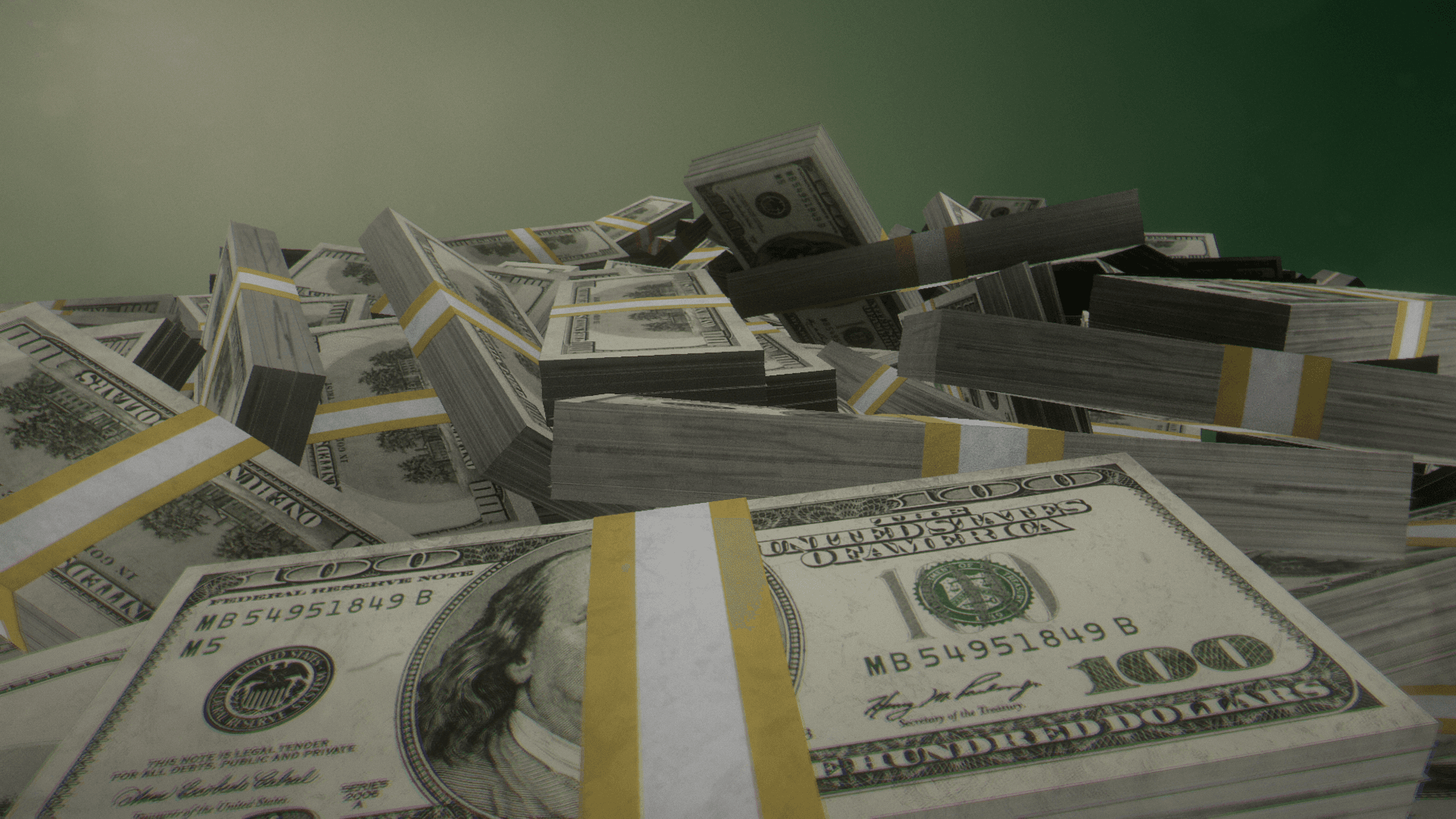
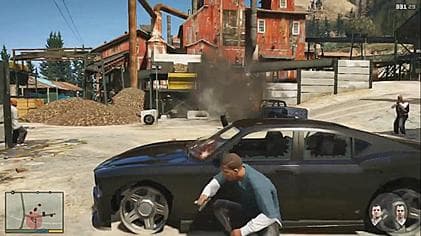
Grand Theft Auto Online launched on October 1, 2013, riding on the back of the best-selling entertainment product in history. Within weeks it was also home to players sitting on hundreds of millions of GTA$ they had never actually earned - and by December, Rockstar had decided to take almost all of it back.
The essentials:
- GTA Online's launch was rocky: server outages, lost characters, and save-data wipes hit players in the first days.
- Vehicle duplication and other exploits let players generate enormous, uncapped amounts of GTA$ within weeks of launch.
- In November and December 2013, Rockstar announced it would remove illegitimately obtained money from every account that held it, not just from the players who created it.
- Players who exploited the glitches directly faced further penalties; those who only received glitched money as a gift or payment simply lost it.
- Rockstar followed the wipe with a $500,000 "Stimulus Package" for every player, partly as compensation for the launch problems.
- The 2013 wipe set the template Rockstar has reused for over a decade: patch the exploit, then strip the ill-gotten gains from every account that has them.
A launch that was already going wrong
GTA Online arrived two weeks after Grand Theft Auto V itself, and it showed. Rockstar's servers buckled under demand, players lost characters and hours of progress to save-file corruption, and basic features like the Stock Market and some heists were delayed for months. The economy was meant to be simple at first: rob missions, sell cars, buy garages and weapons, slowly build a criminal empire in GTA$.
That plan did not survive contact with the playerbase. For more on just how different - and how broken - that first version of the game was, see our retrospective on what GTA Online actually felt like in 2013.
How the glitch money piled up
Within a month of launch, players had found ways to bend the game's vehicle and insurance systems until they broke. The most damaging exploit let a player duplicate a car they owned, insure the copy, then destroy it and collect the insurance payout - repeated as many times as patience allowed, for effectively unlimited GTA$. We cover the mechanics of that specific exploit in our breakdown of the 2013 car duplication glitch, and a related trick that abused garage storage slots is explained in our garage duplication glitch guide.
These weren't isolated, patch-it-and-move-on bugs. Video tutorials spread the methods fast, and by late November players were quoting each other bank balances in the hundreds of millions - figures no legitimate playthrough could reach in weeks. Our wider history of the 2013-2014 exploit era walks through how one glitch replaced another almost as fast as Rockstar could patch them.
Why Rockstar chose to wipe the money
GTA Online's entire structure depended on GTA$ meaning something. Every car, weapon, apartment, and garage had a price, and the game's mission and heist rewards were tuned around players earning that money at an expected pace. When a subset of the playerbase could generate any sum instantly, that structure collapsed: prices stopped mattering, and players who had ground out cash legitimately were suddenly poorer, in relative terms, than someone who had spent an afternoon exploiting a bug.
Rockstar's public position, posted through its Newswire in the final weeks of 2013, was blunt: the company said it would remove GTA$ obtained through exploits from every account holding it, regardless of how that account came to have the money. That included players who never touched the glitch themselves but had been paid, gifted, or sold goods by someone who had. Rockstar drew a line between that group and the players who had actively used the exploits - the latter faced additional consequences, up to and including bans, while everyone else simply had the illegitimate balance zeroed out.
It was an unusually broad remedy for a young live-service game, but the alternative - leaving the money in place - would have meant permanently breaking the economy Rockstar was trying to build GTA Online's future updates around.
The backlash from players
The wipe did not go over quietly. Threads on GTAForums and elsewhere complained about players losing money they said they had never sought out, that had simply appeared in shared bank accounts or as payment for legitimate trades. Some players had already spent glitched money on properties and vehicles before the wipe hit, leaving them with purchases they could no longer really afford and no way to reverse the transaction. Rockstar offered no blanket refunds for those secondary losses, only guidance to contact support in individual disputed cases.
The criticism mostly centered on fairness at the margins - the money launderer three trades removed from the exploit versus the player who ran the glitch a thousand times - rather than on the principle of the wipe itself. Few players disputed that the economy needed fixing; many disputed exactly where Rockstar drew the line.
The Stimulus Package: an apology in cash
Weeks after the wipe, Rockstar handed every GTA Online player a flat $500,000 GTA$ "Stimulus Package," explicitly framed as compensation for the rough first months of the game - the outages, the lost saves, and the economic mess the exploits had created. It was a fraction of what the biggest glitch users had briefly held, but it was real, legitimate money handed out evenly, and it went some way toward smoothing over the anger from the wipe. We cover exactly how that payout worked, and who was eligible, in our Stimulus Package explainer.
What the wipe actually looked like in practice
Rockstar did not publish a public list of who lost how much. Players simply logged in over the following days to find their GTA$ balance had dropped, sometimes by amounts running into the tens or hundreds of millions. There was no in-game notification explaining the exact figure removed, which fed a lot of the confusion: a player who had, say, bought a Duke O'Death or an armored Kuruma with glitched money before the wipe kept the vehicle but lost the cash, while a player who had left the money sitting in the bank simply saw the number drop. That inconsistency, more than the wipe itself, is what dominated forum complaints at the time.
Support tickets became the only real recourse for players who believed they had been caught up in someone else's exploit unfairly. Rockstar's customer support reviewed disputed cases individually rather than reversing the wipe as a whole, which meant outcomes varied depending on how convincingly a player could show the money had come from a legitimate source.
The precedent that still shapes GTA Online
What happened in late 2013 was not a one-off. It became Rockstar's standard response to money exploits for the rest of GTA Online's life: patch the bug, then strip the illegitimate GTA$ from every account that holds it, with harsher penalties - up to full account resets - reserved for players who ran the exploit itself rather than simply receiving money from someone else. Later waves of the same pattern followed major duplication and property-purchase glitches in the years after, each time drawing the same complaints from players caught in the middle and the same insistence from Rockstar that the economy had to stay intact.
The late-2013 wipe is worth remembering less as a single dramatic event and more as the moment Rockstar decided, in public, that GTA Online's in-game economy was worth protecting even at the cost of a very loud backlash - a stance the company has held onto ever since.
Comments (0)
No comments yet. Be the first!